
Are You on giffgaff or Something?' - giffgaff
giffgaff used to be the scrappy insurgent, cheap, irreverent, built for people who actually read the small print on their phone contract. Then the big networks quietly copied its best tricks and a wave of even cheaper entrants undercut it from below. giffgaff found itself stuck in the single worst place in retail: the squeezed middle. Not disruptive enough to feel exciting, not cheap enough to feel like the obvious budget pick.
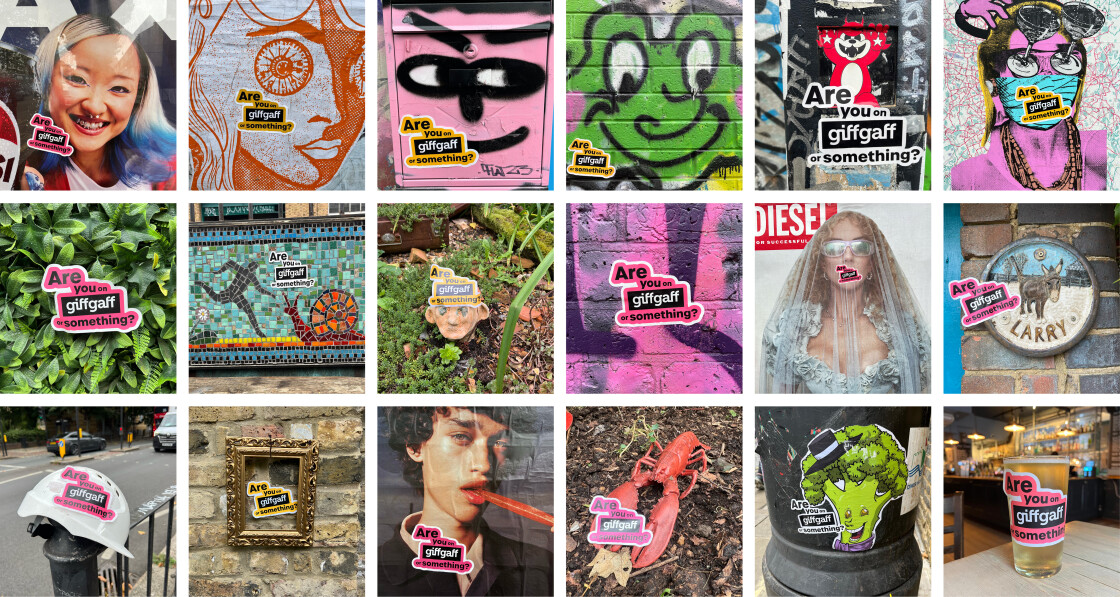
But when we dug around the business we found that the product was already brilliant, and the organisation was truly fighting on behalf of its customers, leading to the highest NPS in the category. Members who kept getting genuinely surprised by perks that non-members had absolutely no idea existed. giffgaff wasn't a broken brand, it was a well-kept secret. So the strategy became: how do we engineer FOMO? "Are you on giffgaff or something?" was designed to escape the ad break entirely and live as an actual thing people say, which is a much harder trick to pull off than it sounds. It showed up everywhere from a billboard made of flowers to a Smartphone-Free Childhood partnership, and the launch spot has Mary, blissed out over 60GB for a tenner, getting snapped back to reality by someone asking if she's, well, on giffgaff or something.
Three weeks in, giffgaff was matching Vodafone on ad awareness. Eight percent of Vodafone's size, hugely outspent, and matching them anyway.